
Что такое светильник ручки на двойном топливе?
Двухтопливный фонарь — это тонкая портативная осмотрная лампочка, предназначенная для работы с двумя разными платформами аккумуляторов, такими как перезаряжаемая литийовая батарея и широко доступные щелочные аккумуляторы. Конструкция даёт пользователям выбор между регулярным перезаряжаемым использованием и планированием резервной замены. Он не доказывает одинаковый выход или время выполнения на обеих платформах. Покупателям следует уточнить совместимость, способ зарядки, производительность режима и инструкции. PL01 использует литиевую платформу 10880 и поддерживает две щелочные батареи AAA, а светодиод Nichia 519A и выход 5000K поддерживают направленное направленное осмотровое освещение с качеством цвета.
Почему двухтопливным фонарям с ручками требуется чёткое планирование мощности
Перезаряжаемая литиевая платформа подходит для процессов частого использования инспекций, поскольку пользователи могут планировать регулярную зарядку и повторное использование. Две щелочные батарейки AAA могут стать практичным запасным вариантом при ограниченном доступе к зарядке или когда дистрибьютору нужна знакомая замена формата.
Эти две платформы не следует считать электрически идентичными. Химический состав батареи влияет на поведение напряжения, выходную способность и производительность разряда. Максимальная мощность может варьироваться между перезаряжаемой и щелочной конфигурацией, а время работы может меняться в зависимости от режима выхода, качества аккумулятора, температуры и эффективности драйвера.
Упаковка должна чётко указывать поддерживаемые форматы батарей. Покупатели не должны предполагать, что все элементы размера AAA совместимы, и не должны добавлять заявления по NiMH, литиевому AAA или другим аккумуляторам, если одобренная спецификация их не подтверждает.
Способ оплаты также требует подтверждения. В инструкции по продукту следует объяснять, как аккумулятор 10880 заряжается, снимается, заменяется или обслуживается до запуска продукта в производство. Совместимость батарей не доказывает одинаковую мощность или время работы на обеих платформах.
Кейс-стади PL01: Nichia 519A Dual-Fuel Pen Light
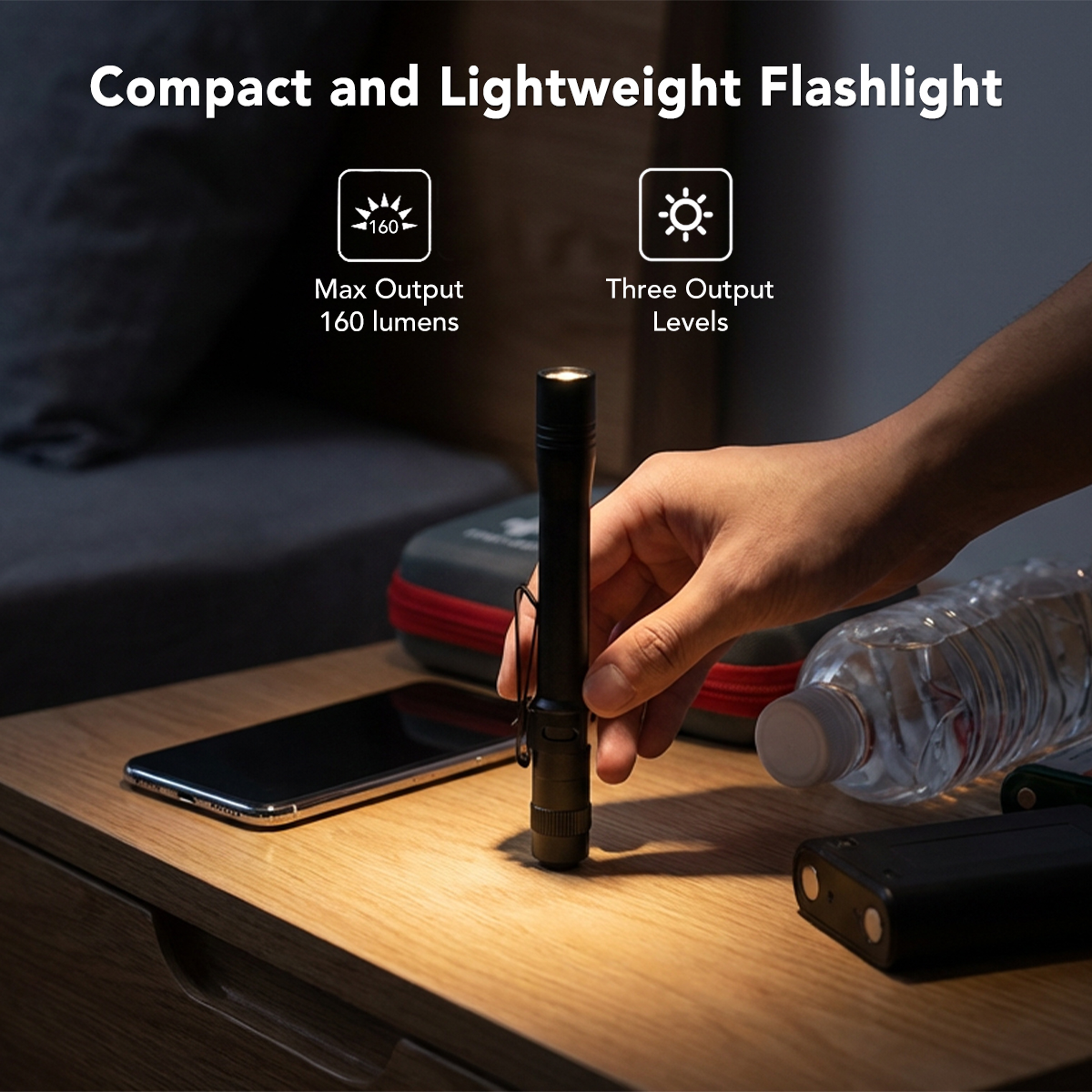
ThePL01 — светильник ручки на двойном топливеэто компактный инспектный продукт, построенный вокруг кузова из алюминиевого сплава 6061 с анодированным чёрным покрытием. Он использует светодиод NICHIA NVSW519AT-V1 T450f22 и поддерживает режимы High 650LM, Medium 160LM, Low 60LM и Moon 2LM.
Подтверждённой перезаряжаемой платформой является один аккумулятор Li-10880 3,7 В 600 мАч, с совместимостью с двумя щелочными батареями AAA. Длина тела — 15,00 мм в области головы, тела и хвоста, общая длина — 134,50 мм. Двусторонний зажим поддерживает ношение в кармане, рабочей одежде и наборе инструментов, а подтверждённая устойчивость к ударам составляет 2 метра.
Доступные данные о продукте не подтверждают расстояние луча, канделу, точное время работы, интерфейс зарядки, метод замены батареи или поведение термической регуляции. Эти поля должны оставаться вне окончательных заявок на упаковку и продажу до тех пор, пока не будут подтверждены утверждёнными спецификациями или тестовыми записями.
Итоговая водонепроницаемость также должна быть подтверждена в утверждённой спецификации продукта и соответствующем отчёте о испытании. Никакие претензии на водонепроницаемость, погружение или использование под водой не должны быть копированы из другого источника, пока текущий конфликт с рейтингом остаётся нерешённым.
Как Nichia 519A и 5000K поддерживают инспекционное освещение
Осмотрное освещение определяется не только яркостью. Качество цвета может иметь значение, когда пользователи сравнивают цвета проводов, этикетки, отделки, соединители, компоненты и состояние поверхности при электрической проверке, техническом обслуживании или автомобильных работах.
Выбор Nichia 519A даёт PL01 направление, ориентированное на качество цвета, а 5000K — нейтрально-белое рабочее положение. Это способствует визуальной дифференциации, не заставляя продукт приходить к чрезмерно тёплому или очень прохладному виду.
Форма луча, блики, отражательная способность поверхности и рабочая дальность всё равно влияют на то, что видит пользователь. Режим 650LM High поддерживает временно лучшую видимость, тогда как режимы 160LM, 60LM и 2LM могут быть более практичными для ближнего осмотра, маркировки, приборов и отражающих поверхностей.
Доступная информация о продукте указывает на светодиод Nichia 519A и цветовую температуру 5000K, но не предоставляет подтверждённого числового результата CRI. Таким образом, PL01 можно описать как ориентированный на высоко-CRI, но не должно использоваться значение Ra, лабораторная точность или гарантированное соответствие цвета без формальных доказательств.
10880 Перезаряжаемый литий против щелочного 2AAA для ручных ламп
Ни одна из батарейных платформ не является лучшей автоматически. Правильный выбор зависит от привычек пользователя, доступа к зарядке, планирования замены и проверенной производительности конечной конфигурации.
| Коэффициент отбора | 10880 Перезаряжаемый литий | 2AAA щелочная | Точка проверки покупателя |
|---|---|---|---|
| Требования к зарядке | Требуется подтверждённый процесс зарядки. | Не требует зарядки. | Подтвердите способ зарядки и прилагаемые инструкции. |
| Доступность замены | Доступность зависит от поставляемого аккумулятора и плана обслуживания. | AAA-щелочные клетки известны на многих рынках. | Не заявляйте о всеобщей доступности. |
| Рабочий процесс регулярного использования | Подходит для многократного использования с перезарядкой. | Подходит для замены батарейки. | Подбирайте платформу под привычки пользователей. |
| Планирование резервного копирования | Требуется доступ к зарядке или страховой план. | Может поддерживать резервную замену, когда зарядка ограничена. | Тщательно определите предполагаемую роль в чрезвычайных ситуациях. |
| Проверка выходных данных | Выход режима должен быть протестирован на платформе 10880. | Выход режима должен быть протестирован с помощью двух элементов AAA. | Не рассчитывайте на одинаковую производительность 650LM. |
| Проверка во время выполнения | Зависит от режима, состояния батареи и эффективности. | Зависит от качества ячеек, режима и температуры. | Запросить кривые выполнения для конкретного режима. |
| Инструкции по упаковке | Нужно объяснить зарядку и управление батареей. | Нужно объяснить совместимый щелочный формат и ориентацию. | Избегайте подразумевать совместимость с каждой ячейкой размером AAA. |
| Поведение целевого пользователя | Подходит пользователям, комфортным с обслуживанием с перезарядкой. | Подходит пользователям, предпочитающим знакомые заменяемые элементы. | Сегментируйте сообщение продукта по поведению рынка. |
Что стоит проверить покупателям B2B перед покупкой двухтопливной лампы
Какая платформа для аккумуляторов будет использоваться чаще всего?
Определите, является ли основным рабочим процессом регулярное перезаряжаемое использование или замена щелочной системы. Это решение влияет на инструкции, упаковку и планирование обслуживания.
Отличается ли выход между 10880 литием и 2AAA щелочным?
Запросить выходные данные, специфичные для режима, для обеих конфигураций. Не переносите заявку на 650LM на все батарейные платформы без тестовых доказательств.
Как заряжается и обслуживается аккумулятор?
Проверьте, как аккумулятор 10880 заряжается, снимается, заменяется или обслуживается. Интерфейс зарядки и способ обслуживания пока не подтверждены.
Поддерживается ли качество цвета подтверждёнными данными CRI?
Спецификации Nichia 519A и 5000K поддерживают направление, ориентированное на качество цвета, но для числового CRI требуется формальное доказательство тестирования.
Какие водонепроницаемые, ударные и исполнительные тесты доступны?
Спецификация удара в 2 метра подтверждена, но окончательная водонепроницаемость и данные по специальному режиму работы всё ещё требуют одобренной документации.
Упаковка и инструкции ясно объясняют оба варианта батарей?
В итоговой документации должны быть указаны поддерживаемые форматы, требования к зарядке, ограничения производительности и различия между двумя конфигурациями батарей.
Как SHENGQI LIGHTING поддерживает разработку двухтопливных ламп для ручок
SHENGQI LIGHTING имеет производственные корни с 1981 года, а Dongguan Shengqi Lighting Technology Co., Ltd. была официально основана в 2008 году.
Для продуктов с двойным топливом,Поддержка оптической и электронной разработкиможет помочь с выбором светодиодов, поведением драйверов, расстоянием между выходами, совместимостью аккумуляторов и инструкциями пользователя. КомпанияИспытания производительности батареи и световой энергиивозможности могут поддерживать сравнительную оценку без того, что все тесты уже завершены для PL01.
Производство прецизионных кузововТакже важно для 15-мм алюминиевой инспекционной лампы, где размеры корпуса, интеграция клипса и согласованность сборки влияют на переноску и многократное использование.
Для проекта с двухтопливным светильником ODM значение ODM определяется за счёт координации выбора светодиодов, поведения водителя, совместимости батареи, интервалов между режимами, конструкции кузова, инструкций пользователя и повторяемого тестирования. Покупатели, сравнивающие эту платформу с однокамерным продуктом, также могут рассмотретьНаправляющая подсветка для ручки AA на батарейках.
Часто задаваемые вопросы
1. Что такое двухтопливный фонарь для ручки?
Двухтопливный фонарь — это тонкий индикатор для проверки, поддерживающий две платформы для аккумуляторов, обычно для сочетания перезарядного использования с гибкостью замены аккумуляторов. Покупателям следует проверять совместимость, вывод, время выполнения и инструкции для каждой конфигурации, а не предполагать одинаковую производительность.
2. Какие батарейки использует PL01?
Подтверждённая информация о продукте указывает на одну платформу аккумулятора Li-10880 3.7V 600 мАч и совместимость с двумя щелочными батареями AAA. Детали зарядки, снятия, замены и обслуживания должны быть подтверждены в окончательной спецификации.
3. Даёт ли PL01 одинаковую мощность с литиевыми и AAA-батареями?
Доступная информация о продукте не подтверждает одинаковую производительность или время работы на обеих платформах аккумуляторов. Покупателям следует запрашивать тестовые данные по каждому поддерживаемому режиму аккумулятора перед утверждением заявлений о производительности.
4. Почему качество цвета светодиодов имеет значение в светильнике для инспекционного пера?
Качество цвета позволяет визуально различать провода, этикетки, поверхности и компоненты. PL01 использует светодиод Nichia 519A и выход 5000K, но доступная информация не даёт подтверждённого числового результата CRI.
5. Что должны проверить B2B-покупателям перед покупкой двойного топливного фонаря?
Покупатели должны проверять совместимость аккумуляторов, методы зарядки и обслуживания, выход и время работы по платформам, числовые данные CRI, термическое поведение, итоговую водонепроницаемость, документацию по воздействиям, производительность клипса, инструкции по упаковке и согласованность производства.
Оцените двухтопливные фонари как полноценные платформы для инспекции
Двухтопливный фонарик полезен, когда обе батарейные платформы отвечают чётким потребностям пользователя, а продукт точно объясняет их пределы производительности. PL01 сочетает в себе литиевую перезаряжаемую платформу 10880, совместимость с двумя щелочными элементами AAA, светодиод Nichia 519A, выход 5000K, четыре уровня яркости и узкий алюминиевый корпус диаметром 15 мм.
B2B-покупатели должны проверять специфические для платформы выходные данные, время выполнения, методы зарядки и обслуживания, числовые данные CRI, окончательную водонепроницаемую документацию, термическое поведение и инструкции по упаковке перед производством. Цель не в том, чтобы гарантировать, что один вариант батареи всегда лучше, а в создании продуктовой платформы, соответствующей реальным процессам инспекции и замены.
Разработка двухтопливных инспекционных ламп с учётом проверенных требований к батареям и оптике
Бренды инспекционных инструментов, промышленные дистрибьюторы, компании по обслуживающей продукции, бренды EDC, компании по производству аксессуаров для рабочей одежды, импортеры, менеджеры продуктов и команды по закупкам OEM/ODM могут обсудить разработку двухтопливных ламп для ручки, выбор светодиодов и цветовой температуры, совместимость 10880 и AAA, планирование режимов, тестирование аккумуляторов, разработку алюминиевого корпуса и инструкции по упаковке.
Свяжитесь с SHENGQI LIGHTING для технической оценки OEM/ODM по адресуsales@shengqilight.com.