
Почему планирование продукции с несколькими опасностями важно в 2026 году
По состоянию на 24 июля 2026 годаНациональный центр урагановвыпускал предупреждения по урагану Фаусто в восточной части Тихого океана и выпустил последнее предупреждение по поводу Берты. Таким образом, подготовка к сезонным штормам, осадкам, побережью и перебоям электроэнергии оставалась своевременной.
TheНациональный межведомственный координационный центр23 июля сообщили о национальном уровне готовности 5, о 70 крупных пожарах и уровне готовности на северо-западе 5. В отчётах инцидентов также описывались эвакуации, закрытия и угрозы жилым домам, системам связи и энергетической инфраструктуре.
Эти события не означают, что каждый клиент сталкивается с одинаковой опасностью. Они показывают, почему B2B-брендам следует определять отдельные роли освещения, а не продвигать один продукт как подходящий для каждой чрезвычайной ситуации. Текущие условия являются своевременной точкой входа; Приведённые ниже принципы портфеля предназначены для долгосрочного планирования продукта. Осветительные средства не заменяют официальные предупреждения, инструкции по эвакуации или профессиональное аварийное оборудование.
Что должна включать линейка аварийного освещения?
Линейка аварийного освещения должна включать продукты с чёткими функциями: основной ручной фонарик, налобный фонарь без рук, компактный персональный запасной фонарь, фонарь и чётко спланированную батарею или систему зарядки. Портативные фонари обеспечивают направленную видимость, налобные фонари поддерживают работу без рук, компактные фонари обеспечивают индивидуальное дублирование, а фонари обеспечивают широкое освещение. Аккумуляторные системы требуют обслуживания, совместимой зарядки и тестирования во время выполнения. Каждый SKU требует специфического для модели вывода, интеллектуальной собственности, воздействия и требований по соответствию. Ни один портативный осветительный прибор не заменяет официальные аварийные рекомендации или специализированное защитное оборудование.
Почему роли в продуктах важнее, чем количество SKU
Двадцать подобных фонариков с высоким светом не создают полноценный портфель аварийных ситуаций. Линейка продуктов должна расширяться по роли освещения, а не повторять почти идентичные характеристики.
Каждый SKU должен служить определённому пользователю, задаче, методу переноса и стратегии мощности. Отличие продукта может заключаться в направленном доступе, работе без рук, личной доступности, широкой области освещения, гибкости батареи или проверенной охране окружающей среды — а не просто в другом корпусе и большом количестве люмена.
Четкое распределение ролей также снижает внутреннюю каннибализацию. Продукты начального, среднего и более высокого уровня могут сосуществовать, но каждому нужна своя причина, чтобы оставаться в ассортименте. Ценовые категории должны отражать проверенную функцию, структуру, систему батарей, доказательства тестирования и пользовательскую ценность — а не только более высокие показатели люмена.
Один продукт не должен быть переупакован как пригодный для бытовых отключений, эвакуации при лесных пожарах, профессионального спасения, дайвинга и промышленных опасных зон без специфических доказательств применения. По мере роста портфеля контроль спецификаций, точность упаковки и управление соответствием становятся всё более сложными.
Пять ролей в линейке аварийного освещения
Основной портативный фонарик
Обеспечивает направленный свет для проверок имущества, оборудования и транспортных средств. Покупателям следует изучить расстояние луча, полезные режимы, платформу аккумулятора, переключатели, время выполнения, интеллектуальную собственность и доказательства воздействия по всему регионуОсновной диапазон портативных фонариков.
Налобный фонарь без рук
Поддерживает перевозку припасов, обслуживание и организацию снаряжения. Посадка, комфорт, угол луча, нижние режимы, доступ к батарее и ограничения водонепроницаемости имеют значение при выбореЛинейка фар без рук.
Компактная персональная резервная копия
Добавляет индивидуальный доступ к этикеткам, сумкам, ключам и задачам закрытия. Размер, вес, меньшие режимы, конструкция крепления, готовность батареи и реалистичное время работы — это различиеКомпактные персональные запасные фонари.
Фонарь района
Обеспечивает помещение, укрытие, транспорт или стол для освещения. Диффузия, блики, цветовая температура, размещение, ёмкость аккумуляторов, порты и охрана окружающей среды определяют рольКемпинговые и осветительные средства.
Электроснабжение и поддержка технического обслуживания
Подключает одобренные аккумуляторы, совместимые зарядные устройства, инструкции по хранению данных, записи о проверке и процедуры замены. Она должна поддерживать ассортимент продукции, не создавая единой точки отказа.
Архитектура продуктовой линейки аварийного освещения
| Роль в продукте | Основная задача по освещению | Рекомендуемый формат продукта | Рассмотрение энергетической системы | Основное требование к верификации | Пример SHENGQI |
|---|---|---|---|---|---|
| Основная портативная консоль | Направленные проверки | Компактный ручной фонарик | Перезаряжаемая или одобренная многобатарейная платформа | Луч, время выполнения, IP и удар | L2 |
| Налобный фонарь без рук | Работайте с обеими руками под рукой | Носимый налобный фонарь | План зарядки и обслуживания батареи | Посадка, режимы, датчики и защита от воды | HL8 |
| Компактная персональная резервная копия | Немедленный индивидуальный доступ | Светильник, ориентированный на карман или брелок | Малый аккумулятор требует проверок готовности | Продолжительность работы, крепление и долговечность | G8 |
| Фонарь района | Широкое освещение в помещениях или рабочее пространство | Перезаряжаемый рассеянный фонарь | Проверка пропускной способности, входа и выхода | Диффузия, порты, среда выполнения и IP | F5 |
| Питание и поддержка батареи | Поддержание доступности продукции | Одобренные аккумуляторы и зарядные устройства | Избегайте несовместимых систем | Сброс, обслуживание и доказательства хранения | Специфические для продукта системы |
Эти примеры отражают разные роли освещения. Их не следует оценивать только по максимальному люмену или рассматривать как взаимозаменяемые продукты.
Матрица кейсов продуктов: L2, HL8, G8 и F5
L2: Основная портативная консоль
TheПортативный фонарик L2 с несколькими батареямииспользует светодиод OSRAM P8 с высотой 750LM, средним 230LM, низким 5LM и максимальным дальностью 115 метров.
Поддерживается 14500 литий, одну щелочную батарею AA или одну AA NiMH, но выходная мощность и время работы могут различаться в зависимости от платформы. Его алюминиевый кузов 6463, рейтинг IPX6, ударная характеристика на 1 метр, механический задний переключатель и двусторонний клипс поддерживают компактную функцию основного освещения. IPX6 — это не рейтинг погружения.
HL8: Налобный фонарь без рук
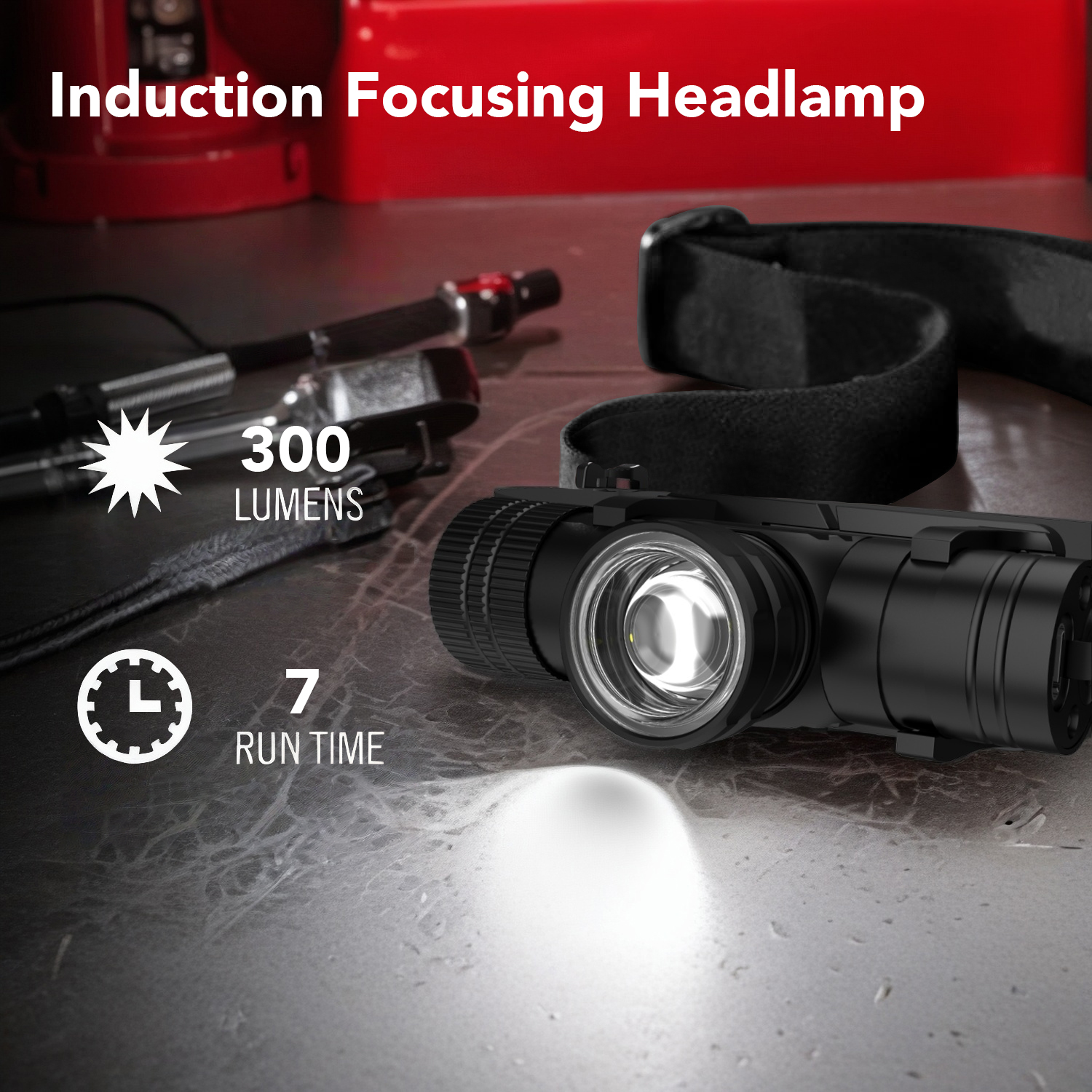
HL8 обеспечивает 300 LM в высоте, 140LM средний и 55LM Low с максимальной дистанцией 69 метров. Функция волнового датчика позволяет уменьшить прямой контакт с переключателем в подходящих рабочих процессах.
Алюминиевая конструкция 6063 использует литиевую платформу 18650 1800 мАч и соответствует характеристикам IPX5 и 1 метр. Всё ещё требуется зарядка и планирование обслуживания, а IPX5 не указывает на погружение.
G8: Компактная персональная резервная копия
TheКомпактный фонарик G8 с резервным копированиемиспользует светодиод OSRAM P8 с турбонаддувом 400LM, 180LM High, 50LM Medium, 20LM Low и 2LM Moon.
Интегрированный аккумулятор 3,7 В 290 мАч, длина 64 мм, вес 32 г и 6061 алюминиевый корпус T6 поддерживает личное переносение. Показатель пропускной способности не подтверждает время выполнения, и в текущем наборе источников нет подтверждённой IP или рейтинга воздействия.
F5: Фонарь области
TheПерезаряжаемый фонарь F5обеспечивает до 500 LM с настройками 3000K, 4500K и 6000K и тремя уровнями яркости при каждой цветовой температуре.
Встроенный аккумулятор на 5200 мАч, вход Type-C, выход USB-A, магнитное основание и подвесной крючок поддерживают зонное освещение и ограниченное планирование питания устройств. Корпус ABS и ПК соответствует спецификациям IP64 и ударной точностью 1 метр. Ёмкость не подтверждает точное время работы освещения или количество зарядов телефона.
Портативный против налобного фонаря против заднего света против фонаря для района
| Формат продукта | Роль луча или освещения | Типичная задача | Метод переноски или размещения | Power Concern | Основное ограничение |
|---|---|---|---|---|---|
| Портативный фонарик | Направленный | Проверка оборудования и имущества | Держать или устанавливать отдельно | Зависимый от батареи и луча | Занимает одну руку |
| Фара | Направленное управление без рук | Техническое обслуживание и снабжение | Носят на голове | Готовность и боеготовность батареи | Комфорт и угол луча варьируются |
| Компактный запасной фонарь | Немедленное личное освещение | Пакеты, этикетки и закрытие задач | Карманные, сумочные или брелки | Боеготовность малых батарей | Ограниченная ёмкость или запас хода |
| Фонарь района | Широкое рассеянное освещение | Комнаты, навесы и столы | Устанавливается, подвешивает или крепится магнитно | Пропускная способность, порты и зарядка | А не луч дальнего действия |
Сопоставление портфеля с разными рынками покупателей
Планирование батарей, интеллектуальной собственности и соответствия по всему портфелю
Стандартизация платформы батарей и резервирование батарей связаны, но не идентичны решения. Использование меньшего количества аккумуляторных систем может упростить покупку и послепродажную поддержку, а полностью зависимость от одного зарядного устройства или состояния аккумулятора может привести к одной точке отказа.
Интегрированные батареи, съемные литиевые элементы, щелочные форматы и многобатарейные платформы отвечают разным пользователям. Перезаряжаемые продукты требуют условий по зарядке; Продукты с заменяемыми батареями зависят от доступности на рынке и обслуживания хранения. Схожие размеры батареи не подтверждают совместимость.
Охрана окружающей среды также должна оставаться индивидуальной для модели: L2 имеет рейтинг IPX6, HL8 — IPX5, а F5 — IP64. Подтверждённый IP-рейтинг для G8 в текущем наборе источников отсутствует. Эти рейтинги не взаимозаменяемы и не указывают автоматически на погружение или пригодность для дайвинга.
Доказательства соответствия требуют такой же дисциплины. HL8 указан в соответствующей документации CE-EMC и REACH SVHC, при этом результат PASS записывается для протестированной конфигурации EMC. F5 является репрезентативной тестовой моделью в отчёте FCC Part 15, Subpart B, и указана в соответствующей Декларации соответствия поставщика. Здесь не добавлено претензии на сертификацию, связанную с конкретной моделью, для L2 или G8.
Семь шагов для разработки многокатегорийной линии освещения
Определите целевой опасность и пользователя
Бытовые отключения, комплекты для автомобилей, подготовка на улице и программы на рабочем месте требуют различных форматов, практик хранения и инструкций.
Назначьте каждому SKU одну чёткую роль
Портативный фонарь, налобный фонарь, личный запасной аппарат и фонарь должны различаться не только по задачам, а не только по внешнему виду.
Select the Power Architecture
Решите, где перезаряжаемые, заменимые или многобатарейные платформы добавляют ценность и как пользователи будут их обслуживать.
Планируйте полезные выходные режимы
Используйте высокий, средний и низкий уровни для отдельных задач, вместо того чтобы каждый SKU конкурировал только на максимальном уровне люменов.
Установление границ охраны окружающей среды
Выбирайте IP и цели воздействия с точки зрения фактического размещения и экспозиции, затем держите заявки в проверенных пределах.
Постройте доказательства, специфичные для модели тестирования
Проверьте выходные данные, время выполнения, IP, удар, соответствие ЭМС и химическим веществам для соответствующей модели и конфигурации.
Align Packaging and Product Education
Объясните роль продукта, батарею, зарядку, границы IP, ограничения по обслуживанию и применению по всей линейке.
Контрольный список для проверки портфеля аварийного освещения B2B
B2B-покупатели не должны одобрять линейку продукции с аварийным освещением, основываясь только на общем числе SKU, максимальном люменном или стандартных сертификационных логотипах.
У каждого SKU есть своя особая роль в освещении?
Документируйте основного пользователя, задачу, расположение и стоимость каждой модели.
Форматы решают разные задачи?
Портативные, налобные, резервные и фонарные устройства не должны быть взаимозаменяемыми копиями.
Подходят ли форматы батареек для рынка?
Проверьте доступ к зарядке, доступность аккумуляторов, привычки хранения и сложность сервиса.
Тестирование времени выполнения по режиму и батарее?
Номинальная ёмкость и максимальная мощность не подтверждают время работы.
Являются ли претензии по интеллектуальной собственности и воздействия конкретными моделями?
Запросите доказательства точного корпуса, портов, пломб и конфигурации.
Проверяются ли входы и выходы зарядки?
Тестируйте функции зарядки и выхода мощности при определённых, реалистичных нагрузках перед утверждением заявок.
Что охватывает документация по соблюдению требований?
Подтвердите, была ли тестирована точная модель или только представительная семейная выборка.
Упаковка и инструкции точны?
Ограничения применения, уход за батареей, зарядка, границы IP и обслуживание должны быть простыми для понимания.
Как SHENGQI LIGHTING поддерживает разработку продуктов для экстренных ситуаций
Поддержка освещения Shengqiмногокатегорийная разработка OEM/ODMчерез промышленный дизайн, оптический инженерный дизайн, электронный дизайн, дизайн упаковки, производство и определение продукта, ориентированного на применение.
ЕгоТестирование портативного освещения и контроль качестваВозможности включают тестирование аккумуляторов, тестирование времени разряда, тестирование на светящиеся характеристики, испытания водонепроницаемости и испытания ударов. Эти возможности компании не означают, что каждая модель прошла все доступные тесты.
Производственные ресурсы включают примерно 130 000 квадратных футов заводских площадей, 75 станков с ЧПУ и одиннадцать беспылевых конвейеров сборки. SHENGQI LIGHTING работает по системе управления качеством ISO9001.
Для многокатегорийной программы аварийного освещения ценность ODM определяется координацией ролей продуктов, оптики, электроники, аккумуляторных систем, корпусов, языка упаковки, тестирования и согласованности массового производства на разных SKU. Сильные внутренние возможности в области исследований и разработок также могут поддерживать конкурентоспособные общие затраты закупок, не снижая при этом значимость данных, специфичных для конкретных моделей.
Часто задаваемые вопросы
1. Что должна включать в себя линейка аварийного освещения?
Сбалансированная линейка должна включать направленный портативный фонарик, налобный фонарь без рук, компактный персональный фонарь заднего хода, широкомасштабный фонарь и соответствующий аккумулятор или план зарядки. Каждый SKU должен иметь чётко определённую пользовательскую задачу, метод переноса, структуру вывода и требования к обслуживанию.
2. Почему одного светового фонаря недостаточно для полного ассортимента продукции?
Проблема в роли продукта, а не просто в кольчестве. Портативный компьютер с высокой мощностью не может обеспечить все функции hands-free, персонального резервного копирования или широкого освещения. Полный ассортимент разделяет направления, носимые, личные и локальные осветительные задачи, а не предлагает несколько похожих фонариков с незначительными изменениями в спецификациях.
3. В чём разница между портативным фонарём и аварийным налобным фонарём?
Ручной фонарик обеспечивает направленный свет, который пользователь наводит вручную. Налобный фонарь обеспечивает направленный свет без рук для переноски припасов, обслуживания и работы с оборудованием. Выбор зависит от роли луча, посадки, комфорта, готовности аккумулятора, режимов выхода и проверенной границы экологической защиты.
4. Почему в продуктовой линейке должна быть компактная персональная запасная лампа?
Компактная резервная система обеспечивает мгновенное индивидуальное освещение, когда основной светильник убран, разряжен или используется другим человеком. Он поддерживает этикетки, сумки, ключи и короткие задачи ближнего боя. Он должен дополнять, а не заменять основной портативный или налобный фонарь.
5. Какую роль играет локальный фонарь в аварийном освещении?
Фонари в районе обеспечивают широкое освещение комнат, навесов, транспортных средств, столов и общих рабочих зон. Их не следует позиционировать как дальнодействующие направленные фонарики. Покупателям следует оценить диффузию, блики, цветовую температуру, методы размещения, ёмкость аккумулятора, порты зарядки, выходные функции и IP-доказательства.
6. Что должны проверять B2B-покупатели перед покупкой нескольких аварийных осветительных средств?
Покупатели должны проверять дифференциацию ролей, тестирование во время выполнения, совместимость батарей, данные IP, специфические для моделей, производительность ввода и выхода энергии при зарядке, применимую документацию по соответствию и точность упаковки. Портфель должен оцениваться как скоординированная система, при этом каждый SKU сохраняет свои проверенные требования и ограничения.
Строите портфель вокруг задач, доказательств и соответствия рынку
Система аварийного освещения с несколькими опасностями не должна требовать одного продукта для решения всех задач направленного, безконтактного, личного и локального освещения. Более сильное портфолио даёт каждому SKU определённую роль и связывает ассортимент через контролируемое планирование батарей, доказательства тестирования и согласованную упаковку.
Правильная архитектура зависит от целевой аудитории. Программы для домашнего хозяйства, автомобилестроения, открытого отдыха, рабочих мест и дистрибьюторов могут использовать разные комбинации, ценовые категории и системы питания, при этом следуя тем же принципам планирования, основанного на ролях.
Разработка портфеля аварийного освещения на основе ролей
Бренды готовности к чрезвычайным ситуациям, компании по активному отдыху, компании по производству автомобильных аварийных комплектов, продавцы хозяйственных товаров, бренды туристического оборудования, дистрибьюторы, импортеры, менеджеры категорий и команды по закупкам могут обсуждать программы портативных приборов, налобных фонарей, компактных запасных фонарей и кемпинговых фонарей, планирование платформ аккумуляторов, оптику, электронику, упаковку, тестирование и подготовку к соответствию.
Свяжитесь с SHENGQI LIGHTING для технической оценки OEM/ODM по адресуsales@shengqilight.com.