
Что такое многобатарейный EDC-фонарь?
Многобатарейный фонарик EDC — это компактный ежедневный фонарь, предназначенный для работы с несколькими форматами батарей, что даёт пользователям большую гибкость для ежедневного использования, путешествий, аварийного резерва и адаптации к розничному рынку. Литиевая батарея 14500 поддерживает более высокопроизводительное позиционирование, тогда как щелочную батарею AA проще купить и заменить во многих местах. Аккумулятор AA NiMH поддерживает привычки перезаряжаемых пользователей. L2 — это многобатарейный корпус EDC фонарика, совместимый с 14500 литиевых батарей 3,7 В, щелочной 1AA 1,5 В и 1AA 1,2 В NiMH. B2B-покупателям следует оценить структуру аккумулятора, адаптацию напряжения, инструкции по безопасности, дизайн клипс, логику переключателей и согласованность пакетов перед созданием этой категории.
Почему гибкость аккумулятора важна в повседневной ношении
Некоторые компактные фонарики зависят только от одного формата батареи. Это может быть эффективно, когда у целевого пользователя есть лёгкий доступ к аккумулятору, но может стать неудобно во время поездок, аварийного хранения, резервного обслуживания автомобиля или региональной розничной продажи.
Лампы EDC часто используются в качестве резервного инструмента. Пользователи могут не всегда иметь одинаковую аккумуляторную батарею, когда им нужен свет. Аварийные наборы часто получают обычные замены аккумуляторов, тогда как дистрибьюторы могут обслуживать рынки с разными предпочтениями и привычками покупки.
Высокая мощность полезна, но доступность питания влияет на реальную удобство использования. Aмногобатарейный фонарик EDCможет уменьшить трение доступа к батарее при правильной конструкции. B2B-покупатели не должны рассматривать совместимость аккумуляторов как мелочь, так как она влияет на дизайн драйверов, упаковку, формулировку безопасности, ясность после продажи и позиционирование на рынке.
Чем отличается многобатарейный фонарик EDC?
Aмногобатарейный фонарик EDCотличается тем, что совместимость батарей — это не только маркетинговый термин. Продукт должен физически и электрически справляться с разными форматами ячеек, поведением напряжения и ожиданиями пользователя.
Контактная конструкция, давление пружины, допуски аккумуляторного отсека, конструкция драйвера и инструкции пользователя — всё это имеет значение. Лампа, поддерживающая литий, щелочные и NiMH элементы, должна чётко объяснять, какие типы батарей поддерживаются и как пользователям следует их устанавливать. Выходное поведение может различаться между типами литиевых и AA батарей, поэтому заявления следует писать тщательно, если не проводится официальное тестирование под каждым из этих условий.
Для B2B-покупателей вопрос в том, насколько реалистичен дизайн для предполагаемого розничного рынка. Многобатарейный EDC фонарик должен проектироваться с учетом реального пользовательного доступа к питанию, а не только списка спецификаций. Упаковка и инструкции должны облегчать понимание совместимости батарей, а не усложнять.
Кейс-стади L2: EDC-фонарик 750LM AA 14500 с клипной креплением
L2 — этоФонарик EDCпозиционирован как компактный фонарик AA 14500 для повседневной ношения, карманного освещения, рюкзака, дорожного освещения, аварийного транспорта, поддержки кемпинга и продуктов дистрибьютора EDC. Её не следует описывать как тактический оружейный маяк, водолазный свет, ультрафиолет, лазерный продукт, медицинское устройство или сертифицированный военный продукт.
Высокий режим 750LM подходит для краткосрочной поддержки высокого выхода, резервного подключения на улице и портативного освещения ближнего и среднего диапазона. Средний режим 230LM подходит для более распространённых повседневных задач, тогда как низкий режим 5LM полезен для близкого просмотра, лёгкого ночного использования и энергосбережения.
Максимальная дальность в 115 метров подходит для ежедневного нахождения на открытом воздухе, путешествий, резервного обслуживания автомобиля и наблюдения на средних дистанциях. Его не стоит преувеличивать как профессиональный дальнобойный прожектор. Стробоскоп 750LM должен использоваться как функция аварийной видимости, а не как агрессивное или самооборонное заявление.
L2 поддерживает 14500 3,7 В литиевую батарею, 1AA 1,5V щелочную батарею и 1AA 1,2V никель-металл-гидридную батарею. Опция 14500 поддерживает более высокопроизводительное позиционирование, а совместимость с AA щелочным и AA NiMH повышает удобство замены и адаптивность на рынке.
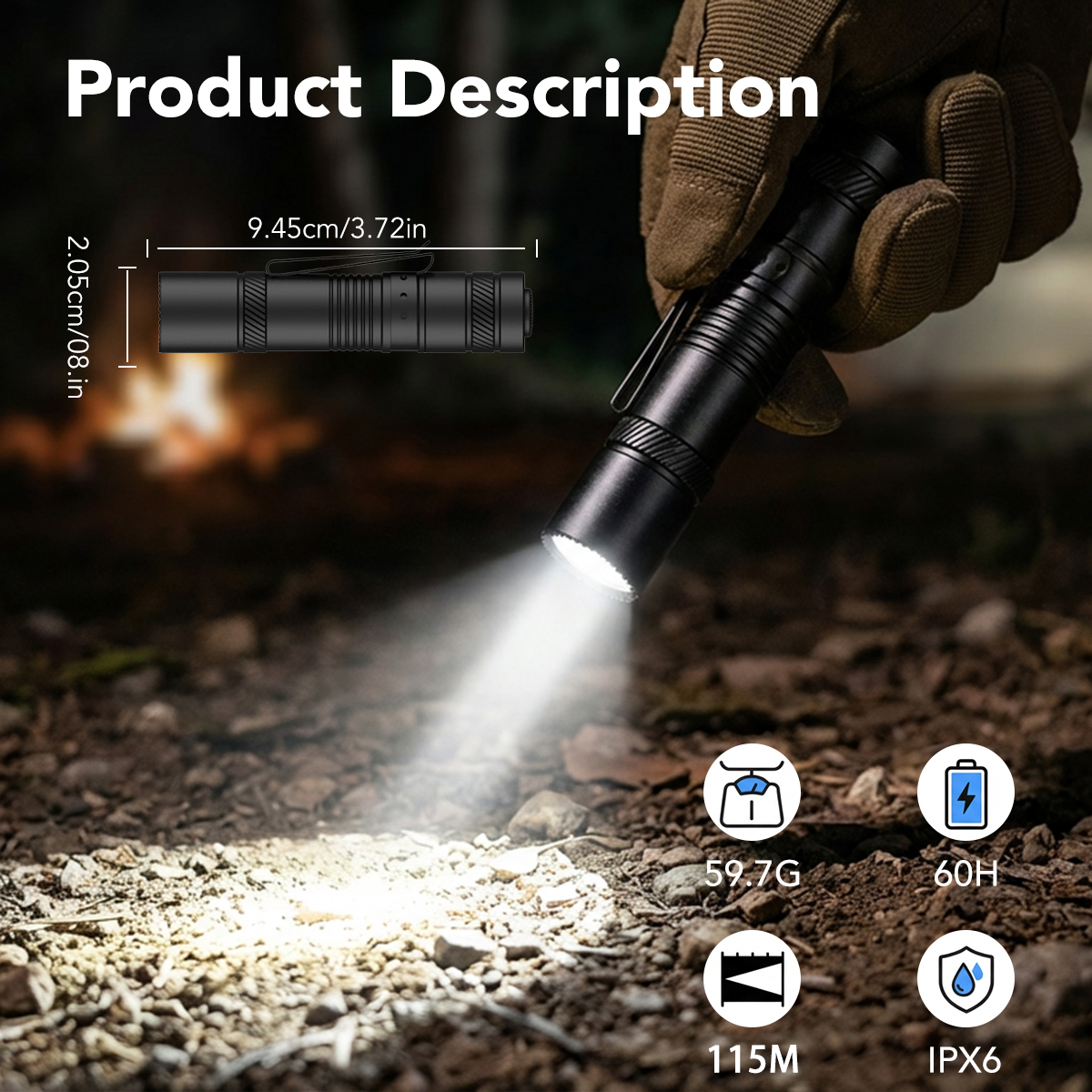
Двусторонний зажим поддерживает расположение карманов, рюкзака, инструментов или пояса на крышке. Механический переключатель хвоста поддерживает интуитивно понятное управление большим пальцем, мгновенное или постоянное включение и быстрое переключение режимов. 94,3 мм × размером 20,5 мм и весом 59,7 г с батареей 14500 помогает позиционировать L2 как удобный алюминиевый фонарик EDC.
Его водонепроницаемая версия IPX6 поддерживает более сильное воздействие воды во многих ежедневных наружных и резервных ситуациях, но не следует описывать его как IPX8, IP67, подходящие для погружения или подходящие для глубоководного использования. Сопротивление ударам в 1 метр соответствует обычному ежедневному риску переноса, а не для тяжёлого промышленного нагрузки.
14500 против AA против NiMH: что должны понимать покупатели?
Совместимость батарей может повысить гибкость продукта, но каждый тип батареи соответствует разной логике рынка. Литиевая батарея 14500 поддерживает более высокую производительность позиционирования и ожидания от перезаряжаемого карманных фонариков. Щелочная батарея 1AA повышает удобство замены, поскольку AA-элементы широко доступны во многих розничных магазинах. Аккумулятор NiMH 1AA поддерживает пользователей, предпочитающих перезаряжаемые батареи AA.
Покупатели B2B не должны обещать одинаковую производительность при каждом состоянии аккумулятора, если они не были официально протестированы и задокументированы. Разные типы батарей могут влиять на поведение выхода, инструкции пользователя и заявления о упаковке. Вот почему многоаккумуляторный фонарик EDC требует чёткого электрического проектирования и чёткого обучения пользователя.
Почему дизайн зажимных и хвостовых переключателей имеет значение в карманных фонариках?
EDC-лампы носят чаще, чем используют. Это делает дизайн клипс, расположение переключателя, длину корпуса, вес и комфорт кармана важными. Сильный свет, который неудобно носить, может не стать настоящим повседневным товаром.
Двусторонний зажим может улучшить расположение кармана, рюкзака, инструментов и пояса на крышке. Это даёт пользователям более практичные варианты ношения и временного использования без использования рук, не превращая продукт в налобный фонарь. Прочность клипса, натяжение клипса и комфорт кромки следует проверить до производства.
Механический переключатель на хвосте поддерживает работу с прямым движением большого пальца и привычное управление карманным фонарём. Мгновенная или постоянная работа может улучшить практическое управление, тогда как быстрая смена режима должна оставаться интуитивно понятной. B2B-покупателям следует оценить ощущение переключателя, риск случайной активации, порядок режимов и долгосрочную надёжность коммутатора.
Многобатарейный EDC фонарик против однобатарейного EDC фонаря
Фонарик EDC с несколькими батареями и фонарик EDC на одну батарею могут быть допустимы. Лучший выбор зависит от привычек пользователя, розничного канала, электрического дизайна, прозрачности упаковки и позиционирования продукта.
| Коэффициент отбора | Многобатарейный фонарик EDC | Однобатарейный фонарик EDC | Вывод покупателя |
|---|---|---|---|
| Гибкость мощности | Поддерживает более одного формата батарей для более широких задач. | Используется один определённый формат питания для более простого управления. | Select by market battery habits and user expectations. |
| Удобство путешествий | Это может улучшить варианты замены во время поездки. | Это может зависеть от того, ношение ли именно необходимая ячейка. | Путешественники могут ценить доступность общих батарей. |
| Экстренная замена | Могу поддержать местную замену AA, если это необходимо. | Замена зависит от типа одной батареи. | Аварийные наборы получают выгоду от четкого планирования энергопотребления. |
| Согласованность выхода | Это может варьироваться в зависимости от литиевых, щелочных и NiMH условий. | Его проще охарактеризовать вокруг одной батареи. | Не обещайте одинаковую производительность, если не пройти тестирование. |
| Сложность драйвера | Требуется электрическая конструкция, поддерживающая заданные диапазоны напряжений. | Обычно проще планировать водителя. | Совместимость должна быть спроектирована, а не предполагаема. |
| Объяснение упаковки | Нужно чётко объяснить поддерживаемые типы батарей и безопасное использование. | Можно сосредоточиться на одном пути инструкции батареи. | Понятные инструкции снижают путаницу пользователей. |
| Соответствие розничного рынка | Подходит для рынка с смешанными литиевым, щелочными и перезаряжаемыми AA-моделями. | Подходит для рынка с чётким предпочтительным типом батареи. | Розничный канал должен направлять стратегию батарей. |
| Кривая обучения пользователей | Пользователи должны понимать совместимые ячейки и правильно устанавливать. | Обычно это проще для понимания пользователям. | Гибкость не должна создавать неясную работу. |
| Требования к тестированию | Необходимо пересмотреть поддерживаемые типы батарей и условия работы. | Тестирование может быть сосредоточено на одном формате мощности. | Объём тестирования должен соответствовать сложности продукта. |
| Позиционирование продукта B2B | Гибкая категория EDC и товаров, удобных для дистрибьюторов. | Просто, целенаправленно и, возможно, проще для общения. | Ни один из типов не является автоматически лучше для каждой продуктовой линейки. |
Что стоит спросить B2B-покупателям перед разработкой многобатарейного EDC-фонарика?
B2B-покупателям не стоит выбирать фонарик с несколькими батареями только потому, что функция кажется гибкой. Успешный продукт должен соответствовать реальной доступности батареи, привычкам пользователя, поведению напряжения, объяснению упаковки, рекомендациям по безопасности, способу переноски и целевым позиционированием в розничной торговле. Эти восемь вопросов помогают структурироватьКастомный проект фонарика EDCОбсуждение до производства.
Какие форматы батарей предпочитают целевая аудитория?
Разные рынки могут предпочитать литиевые характеристики, доступность щелочи или перезаряжаемые AA. Маркетинговые исследования должны ориентироваться на совместимость батарей, а не добавлять форматы без спроса пользователя.
Должен ли продукт ставить приоритет на литиевую производительность или на удобство AA?
Перезаряжаемый фонарик 14500 поддерживает более высокоэффективное позиционирование, а совместимость с батареями AA облегчает простоту замены. История продукта должна указывать основную пользовательскую выгоду.
Поддерживает ли конструкция драйвера предполагаемый диапазон батарей?
Совместимость батарей должна поддерживаться настоящей электронной конструкцией. Драйвер следует проверить на наличие поддерживаемого поведения напряжения, логики защиты и ожиданий выхода.
Чётко ли указаны данные о выходе для разных типов батарей?
Разные батарейки могут влиять на поведение выхода. Покупателям следует избегать заявлений о одинаковой производительности при любых условиях, если только каждый тип батареи не был официально протестирован.
Достаточно ли крепкий клипс для настоящего ношения?
Фонарик EDC с креплением должен выдерживать использование в кармане, хранение рюкзака и набор инструментов. Покупателям следует проверить риск натяжения клипса, прочность, комфорт и долгосрочный риск деформации.
Логика Switch интуитивно понятна для повседневного использования?
Работа хвостового переключателя должна ощущаться прямо и понятно. Кратковременное, постоянное и меняющее режим поведения должно соответствовать ожиданиям от повседневной ношения.
Какие требования к водонепроницаемости и перепаду подходят для конкретного применения?
Претензии по водонепроницаемости и ударам должны соответствовать реальному ежедневному использованию. IPX6 и удароустойчивость 1 метр подходят для многих наружных резервных вариантов, но не стоит преувеличивать как погружение или тяжёлую промышленную защиту.
Может ли производитель дать обратную связь по ODM до производства?
Производитель фонариков ODM EDC должен изучить конструкцию аккумулятора, конструкцию драйвера, прочность зажима, логику переключателя, конструкцию корпуса из алюминия, формулировку упаковки и производственность перед массовым производством.
Как SHENGQI LIGHTING поддерживает многобатарейные проекты EDC фонариков
ОСВЕЩЕНИЕ ШЭНЦИ— это бренд компании Dongguan Shengqi Lighting Technology Co., Ltd., с производственными корнями в 1981 году. Dongguan Shengqi Lighting Technology Co., Ltd. была официально основана в 2008 году. Компания специализируется на фонариках, портативных осветительных изделиях и услугах по производству OEM/ODM.
КомпанияПродуктовый портфельвключаетФонари EDC, фонари для ручок, уличные фонарики, тактические фонарики, налобные фонари, кемпинговые фонари, охотничьи огни, водолазные огни, инструментальные фары, аксессуары и оригинальные продукты. Для многобатарейных EDC-продуктов, таких как L2, ценность заключается не только в производственных мощностях. Ценность заключается в возможности соединить пользовательский сценарий, совместимость аккумуляторов, планирование драйверов, логику переключателей, структуру клипс, дизайн алюминиевого кузова, инструкции по упаковке и повторяемое производство.
Компания поддерживаетOEM/ODM-услугивключая промышленный дизайн, оптическую инженерную инженерию, электронный дизайн, дизайн упаковки, производство и тестирование. Производственные возможности включают около 130 000 квадратных футов производственных площадей, 75 станков с ЧПУ, одну полностью автоматизированную производственную линию SMT, две сварочные линии и одиннадцать беспылевых сборочных линий.
Для программ алюминиевых фонариков EDC станки с ЧПУ поддерживают изготовление алюминиевого корпуса и обеспечивают согласованность размеров. Автоматизированная линия SMT поддерживает электронную сборку, а сварочные линии и беспылевые конвейеры — управление производством. Ресурсы для тестирования помогают оценить срок службы выключателя, вибрацию, падение, световую работу, температуру, поведение при высоких и низких температурах, водонепроницаемость и поведение аккумулятора. TheПредыстория компанииподдерживается системой управления качеством ISO9001 для организованного управления производством.
Часто задаваемые вопросы
1. Что такое многобатарейный фонарик EDC?
Многобатарейный фонарик EDC — это компактный ежедневный фонарик с поддержкой, предназначенный для работы с несколькими поддерживаемыми форматами батарей. Это даёт пользователям больше гибкости для ежедневного ношения, путешествий, аварийного резерва и адаптации к розничному рынку. Конструкция должна поддерживать разные размеры батарей, структуру контактов и поведение напряжения. Покупателям следует ознакомиться с конструкцией драйвера, давлением пружины, ориентацией аккумулятора, объяснением упаковки и инструкциями по безопасности перед продвижением продукта с несколькими батареями. L2 — один из примеров этой категории, поскольку поддерживает 14500 литиевых, AA щелочных и AA NiMH батарей.
2. Почему совместимость батарей AA и 14500 полезна?
Совместимость батареек AA и 14500 полезна, потому что оба формата отвечают разным потребностям пользователя. Литиевый аккумулятор 14500 3,7 В поддерживает более эффективное перезаряжаемое позиционирование. Щелочную батарею 1AA 1,5V легко найти во многих магазинах, что помогает людям для путешествий и экстренных случаев. Аккумулятор 1AA 1.2V NiMH поддерживает перезаряжаемые AA привычки. Для дистрибьюторов такая гибкость может повысить адаптивность рынка, но заявления и инструкции по продукту должны чётко объяснять поддерживаемые батареи и безопасное использование.
3. Достаточно ли 750 люмен для фонаря EDC?
Да, 750 люмен может хватить для фонаря EDC, если продукт предназначен для портативного ежедневного ношения, резервного портажа на улице и на почти и средних частотах использования. Карманный фонарик не должен оцениваться только по максимальной мощности. Средние и низкие режимы часто более полезны для рутинных задач, близкого просмотра и экономии энергии. L2 обеспечивает High 750LM, Medium 230LM и Low 5LM, чтобы покупатели могли ориентироваться на несколько повседневных осветительных ситуаций, а не только на одну яркость.
4. Какие типы батарей поддерживает фонарик L2 EDC?
Фонарик L2 EDC совместим с литиевой батареей 14500 3,7 В, щелочной батареей 1AA 1,5 В и батареей 1AA 1,2 В NiMH. Это делает его фонарём AA 14500, подходящим для рынков, где пользователи хотят как перезаряжаемую производительность, так и более простую замену батарейки. Покупатели не должны предполагать одинаковую яркость или время работы при любых условиях батареи, если только они не были официально протестированы. Упаковка и руководства пользователя должны чётко указывать поддерживаемые типы батарей, полярность, рекомендации по безопасному использованию и любые рыночные требования.
5. Водонепроницаем ли L2?
L2 в данных о продукте, использованных для этой статьи, указывается с водонепроницаемостью IPX6. IPX6 подходит для более сильного воздействия водяных брызг во многих случаях наружного забота, аварийных ситуаций автомобилей и повседневного использования. Его не следует описывать как IPX8, IP67, IP68, подходящие для погружения или подходящие для глубоководного погружения. Покупателям всё равно следует изучить конструкцию герметизации, согласованность сборки, водонепроницаемость и инструкции пользователя перед тем, как позиционировать продукт для конкретного уличного рынка.
6. На что стоит обратить внимание покупателям при покупке многобатарейных фонарей?
Покупателям следует проверить поддерживаемые форматы аккумуляторов, поведение напряжения, конструкцию драйвера, структуру контактов, давление пружины, указание полярности, требования к выходу, объяснения упаковки и инструкции по безопасному использованию. Также стоит проверить прочность клипсы, ощущение хвостового переключателя, водонепроницаемость, ударостойкость, качество алюминиевого кузова и консистенцию партий. Многобатарейный EDC фонарик сложнее, чем простой одноэлементный фонарь, поэтому в обзоре закупок следует учитывать как электрическую совместимость, так и реальный опыт ношения.
7. Как бренды могут разработать индивидуальный многоаккумуляторный фонарик EDC с SHENGQI LIGHTING?
Бренды могут начать с определения целевых пользователей, предпочтений по батареям, режимов выхода, дизайна кузова с креплением, логики хвостового переключателя, требований к алюминиевому корпусу, ожиданий водонепроницаемости, инструкций по упаковке и необходимости тестирования. SHENGQI LIGHTING поддерживает проекты ODM с многоаккумуляторными EDC фонариками через промышленный дизайн, оптический инженерный проект, электронный дизайн, дизайн упаковки, производство и тестирование. Менеджеры по продукту и команды по закупкам могут использоватьСтраница контактовОбсудить совместимость аккумуляторов, планирование драйверов, дизайн клипов и требования к производству.
Проектируйте многобатарейные EDC-лампы с учётом реальных потребностей резерва
Aмногобатарейный фонарик EDCРешает проблемы с доступностью батарей, резервным копированием на поездках и адаптацией к рынку, если это правильно спроектировано и объяснено. Её значение зависит от выхода люмена, превышающего максимальный объем.
L2 демонстрирует это направление благодаря совместимости с литиевой батареей 14500 3,7 В, щелочной батареей 1AA 1,5 В и батареей 1AA 1,2 В NiMH, а также 750LM высокой выходной, средней мощностью 230LM, 5LM низкой, двусторонним зажимом, механическим переключателем на хвосте, водонепроницаемым IPX6, ударостойкостью 1 метр и корпусом из алюминиевого сплава 6463.
Пользователям следует оценить выход, режимы, формат батареи, размер, прочность клипсы, водонепроницаемость, вес и реальное применение перед выбором карманного фонарика. B2B-брендам, разрабатывающим несколько совместимых с несколькими батарейными EDC-продуктами, следует пересмотреть структуру батарей, электронную адаптацию, инструкции по безопасности, прочность зажимов, выражение упаковки и согласованность массового производства. SHENGQI LIGHTING может поддерживать разработку, производство и тестирование ODM с многофункциональными EDC фонариками для гражданских продуктов.
Разработка многобатарейных проектов EDC фонариков с учётом реальных потребностей рынка
Бренды снаряжения EDC, бренды товаров для активного отдыха, бренды аксессуаров для путешествий, бренды аварийных комплектов для автомобилей, дистрибьюторы, импортеры, менеджеры продуктов и команды по закупкам OEM/ODM могут обсуждать проекты многобатарейных фонариков EDC, совместимость аккумуляторов AA и 14500, планирование систем драйверов и аккумуляторов, дизайн кузова с креплением, производство алюминиевого кузова, упаковку и инструкции по использованию, разработку, производство и тестирование ODM с SHENGQI LIGHTING.
Для коммуникации по проекту вы также можете связаться с командой по электронной почтеsales@shengqilight.com.